RUSSIAN AND EAST EUROPEAN CULTURES AT HUNTER COLLEGE
  • Home
  • CURRENT EVENTS
  • PAST EVENTS
    • SPRING 2025
    • FALL 2024
    • SPRING 2024
    • FALL 2023
    • SPRING 2023
    • FALL 2022
    • SPRING 2022
    • SPRING 2021
    • FALL 2020
    • SPRING 2020
    • FALL 2019
    • SPRING 2019 >
      • Translation Conference
    • FALL 2018 >
      • Tamizdat Conference
    • SPRING 2018
    • FALL 2017
    • SPRING 2017
    • FALL 2016
    • PRIOR EVENTS
  • RSVP
  • STUDENT PROJECTS
    • Sasha White
    • Daniela Drakhler
    • Mecaria Baker
    • Nicole Gonik
    • Nissan Mushiev
  • MAKE A GIFT
Picture


SPRING 2023

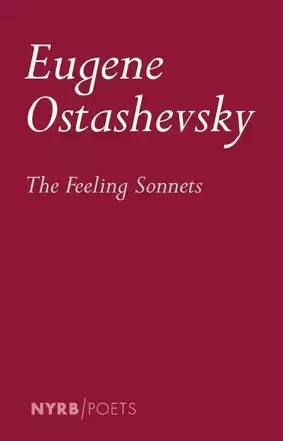
Eugene Ostashevsky. "The Feeling Sonnets." A reading and Q&A with the author
February 23, Thursday, 7 pm

Alexander Genis. "The Third Wave: Immigrants from the Soviet Union in New York (1970-1980s)" 
March 9, Thursday, 7 pm 


Marina Temkina. "Poems and Experiences - Immigrant, Gender, and Russian-Jewish." A reading and Q&A with the author 
March 13, Monday, 6 pm

Ukraine's Musical Influence. A Panel Discussion in Honor of Borys Liatoshynsky
March 16, Thursday, 6 pm

Zara Torlone. "Mock Aeneids in Russian and Ukrainian and their Discontents" 
March 20, Monday, 6 pm

​(Non)conformist Baltic Poetic Documentary of the 1960s
April 19, 6 pm


Find a Jew. Film Screening and Q&A with Anna Narinskaya
April 20, 6 pm

A Poetry and Translation Reading with Eugene Ostashevsky, Timmy Straw, Venya Gushchin, and Elina Alter

May 9, 6 pm

Ilya Venyavkin. "Alexander Dugin: The Man Who Wages an 'Apocalyptic War' against Ukraine" 
May 10, 6 pm
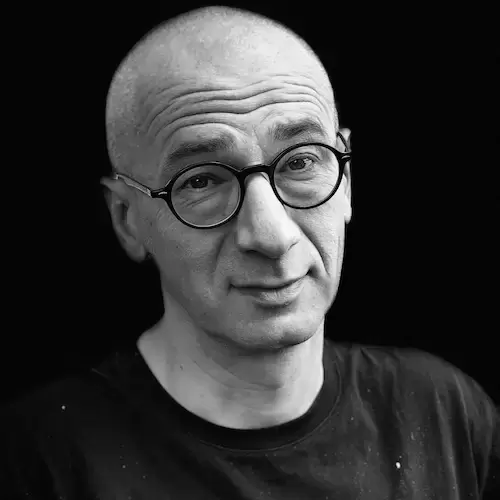
 
Eugene Ostashevsky. The Feeling Sonnets. A reading and conversation with the author. February 23, Thursday, 7 pm. Hunter College, Elizabeth Hemmerdinger Center, Room 706, Hunter East Bldg. RSVP required. 

In Eugene Ostashevsky’s The Feeling Sonnets — his fourth collection of poems — words, idioms, sentences, and poetic conventions are dislodged and defamiliarized in order to convey the experience of living in a land, and a language, apart. The book consists of four cycles of fourteen unrhymed, unmetered sonnets. The first cycle asks about the relationship between interpretation and emotion, whether “we feel the feelings that we call ours.” The second cycle, mainly composed of “daughter sonnets,” describes bringing up children in a foreign country and a foreign language. The third cycle, called “Die Schreibblockade,” German for writer’s block, talks about foreign-language processing of inherited historical trauma, in this case the siege of Leningrad from 1941 to 1944. The fourth cycle, called “Fourteen Ways of Looking at a Translator,” is about translingualism and non-correspondence between languages.

Directions (for non-Hunter students or employees): At the reception desk of the Hunter West Building, please present your ID and proof of vaccination to get a pass. From there, take the escalator to the 3rd floor, turn right and walk across the sky bridge to the Hunter East Building, then take the elevator to the 7th floor. Hemmerdinger Center is at the end of the hallway past the turnstiles. 

RSVP
​Back to Top
 
Alexander Genis, in conversation with Yasha Klots. "The Third Wave: Immigrants from the Soviet Union in New York (1970-1980s)." March 9, Thursday, 7 pm. Hunter College, Elizabeth Hemmerdinger Center, Room 706, Hunter East Bldg. RSVP required. 

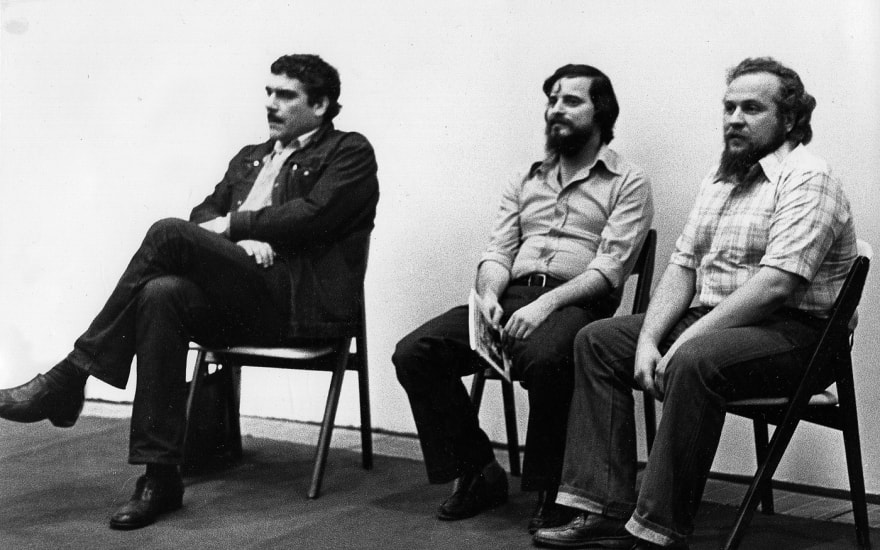
Join us for a conversation with acclaimed author and  journalist Alexander Genis about the life and works of the literary diaspora from the USSR in New York nearly half a century ago! Raised in Riga, Latvia, Genis emigrated to the U.S. in 1977 at the age of 24, soon after graduating from the Department of Philology of Latvian University. In New York, where he has lived ever since, Genis joined the vibrant cultural scene of the Third Wave of the Russian emigration: his friends and fellow authors included Sergei Dovlatov, Joseph Brodsky, Petr Vail, Vagrich Bakhchanyan, Vitaly Komar, to name but a few. Today, Genis continues to write about the immigrant experience, literature, travel, and cooking, remaining the resonant voice of the Third Wave.    

Directions (for non-Hunter students or employees): At the reception desk of the Hunter West Building, please present your ID and proof of vaccination to get a pass. From there, take the escalator to the 3rd floor, turn right and walk across the sky bridge to the Hunter East Building, then take the elevator to the 7th floor. Hemmerdinger Center is at the end of the hallway past the turnstiles. 
Picture
Sergei Dovlatov, Alexander Genis, and Petr Vail at Hunter College. 1979. Photo by Nina Alovert.

RSVP
​Back to Top
 
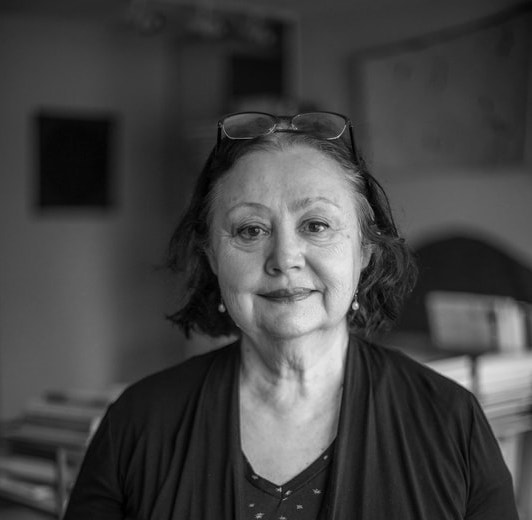
Marina Temkina. "Poems and Experiences - Immigrant, Gender, and Russian-Jewish." A reading and Q&A with the author. March 13, Monday, 6 pm. Hunter College, Elizabeth Hemmerdinger Center, Room 706, Hunter East Bldg. In-person, with proof of vaccination. RSVP required. 

Born in St. Petersburg (Leningrad), Marina Temkina has lived in New York since 1979. She came to the U.S. with the Third Wave, an exodus of artists, writers, academics, and intellectuals from the former Soviet Union. In New York, she became a poet-artist whose multi-genre work embodies her immigrant experiences. Her books include the poetry collection What Do You Want? (UDP), the artists book Who Is I? (Content), in collaboration with artist Michel Gerard, and several books of poetry in Russian. Temkina has received grants from the National Endowment for the Arts and the Memorial Foundation for Jewish Culture among others. In her work as a psychotherapist, she specializes in refugee resettlement, cultural differences, and gender and identity. Please join us for a reading by Marina Temkina and a conversation with the author about her years as an immigrant in New York of the 1970-1980s. 

Directions (for non-Hunter students or employees): At the reception desk of the Hunter West Building, please present your ID and proof of vaccination to get a pass. From there, take the escalator to the 3rd floor, turn right and walk across the sky bridge to the Hunter East Building, then take the elevator to the 7th floor. Hemmerdinger Center is at the end of the hallway past the turnstiles. 
Picture
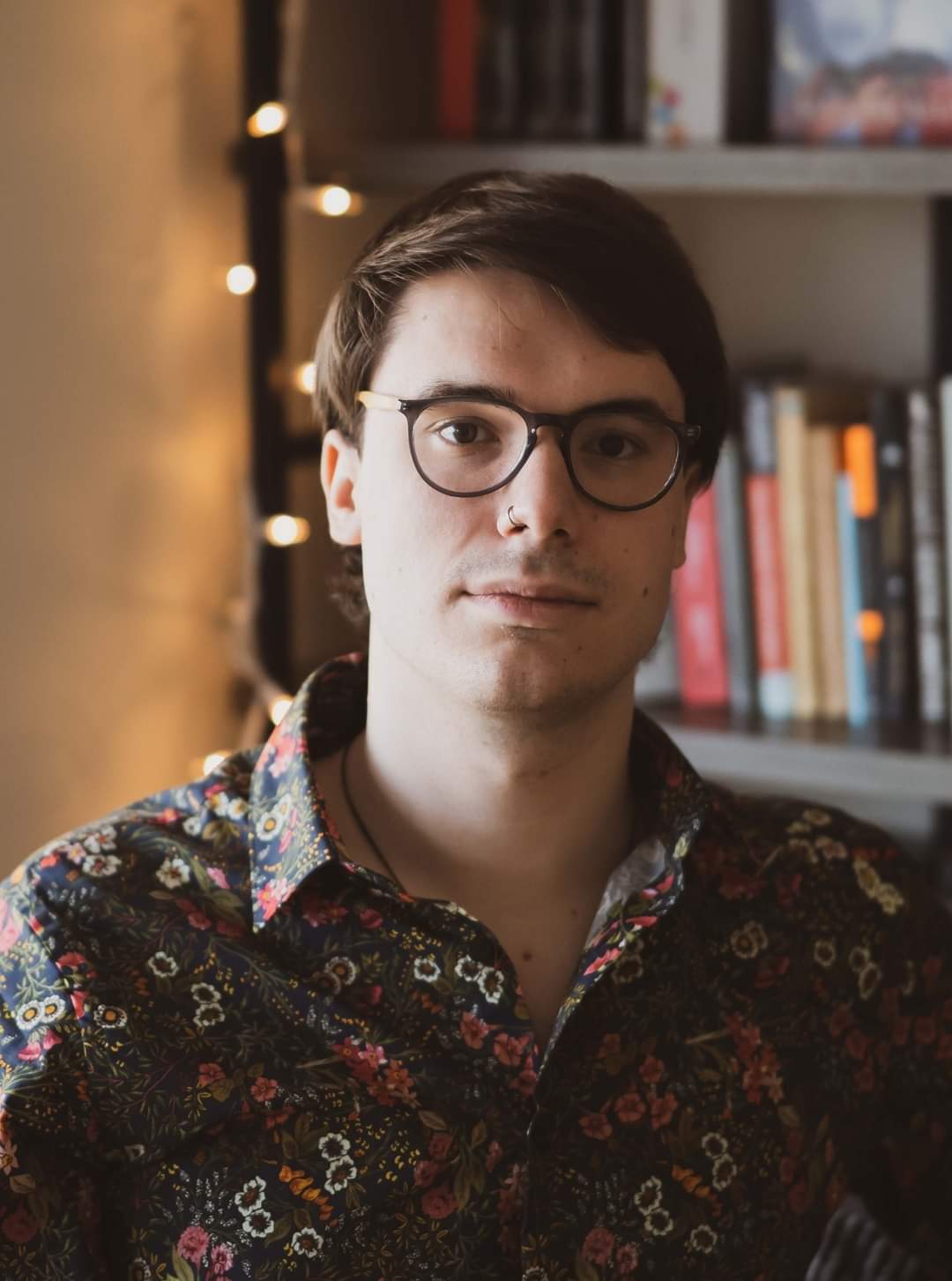
Photo by Mikhail Torich

RSVP
​Back to Top
 
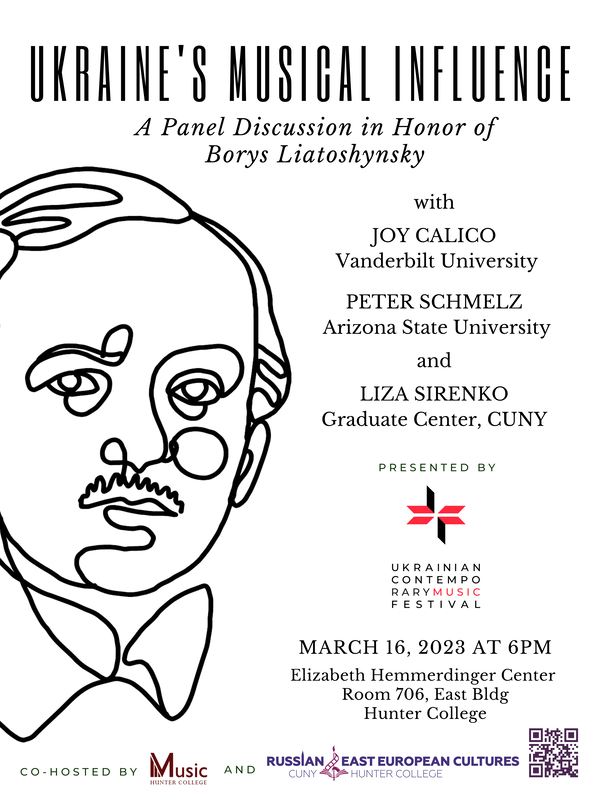
Ukraine's Musical Influence. A Panel Discussion in Honor of Borys Liatoshynsky, moderated by Leah Batstone. March 16, Thursday, 6 pm. Hunter College, Elizabeth Hemmerdinger Center, Room 706, Hunter East Bldg. RSVP required. Co-hosted by the Department of Music. The event is part of the Ukrainian Contemporary Music Festival in NYC. 

Marking the 55th anniversary of Ukrainian composer Borys Liatoshynsky's death, join us for an exploration of the concept of influence in the field of music studies, including how influence contributes to national musical identity, canon formation, and musical exchange across borders. Joy Calico (Vanderbilt University), Peter Schmelz (Arizona State University) and Liza Sirenko (Graduate Center, CUNY) will explore these ideas with respect to Liatoshynsky, Ukraine, and beyond.

Peter J. Schmelz is Professor of Musicology at Arizona State University, Tempe. A 2019 Guggenheim Fellow, his writing has received awards from ASCAP and from the American Musicological Society. His most recent book is Sonic Overload: Alfred Schnittke, Valentin Silvestrov, and Polystylism in the late USSR (Oxford, 2021). Among other ongoing projects, Professor Schmelz is currently co-editing an introduction to Ukrainian music for Indiana University Press.

Joy H. Calico is University Distinguished Professor of Musicology and German Studies and Cornelius Vanderbilt Professor of Music at Vanderbilt University in Nashville. She has written extensively about Bertolt Brecht, opera in the 20th and 21st centuries, and Arnold Schoenberg. Her award-winning monograph Arnold Schoenberg’s A Survivor from Warsaw in Postwar Europe (California, 2014) was just published in Italian translation (Il Saggiatore, 2023).

Liza Sirenko is a music theorist, critic, and current Fulbright Visiting Scholar at the Graduate Center, CUNY. She studies contemporary instrumental music and her current research focuses on North American approaches to post-tonal music analysis. She is a co-founder and editor of the Ukrainian classical music website The Claquers, where she discovers music from abroad for Ukrainian audience and explores Ukrainian classical music for English-speaking readers. She is  the former PR Director for the Kyiv Symphony Orchestra and the independent Liatoshynsky Club initiative. 

Leah Batstone (University of Vienna and Hunter College) is a musicologist working at the intersections of art music, politics, and philosophy in Central and Eastern Europe. She is currently working on her second monograph concerning Ukrainian musical modernism with the support of a REWIRE postdoctoral fellowship at the University of Vienna. From 2018-2021, she spent three wonderful years as an instructor in the Department of Music at Hunter College and will be returning to teach a seminar on empires and their musics in summer of 2023. She is the creative director of the Ukrainian Contemporary Music Festival.

Directions: At the reception desk of the Hunter West Building, please present your ID and proof of vaccination to get a pass. From there, take the escalator to the 3rd floor, turn right and walk across the sky bridge to the Hunter East Building, then take the elevator to the 7th floor. Hemmerdinger Center is at the end of the hallway past the turnstiles. 
Picture

RSVP
​Back to Top
 
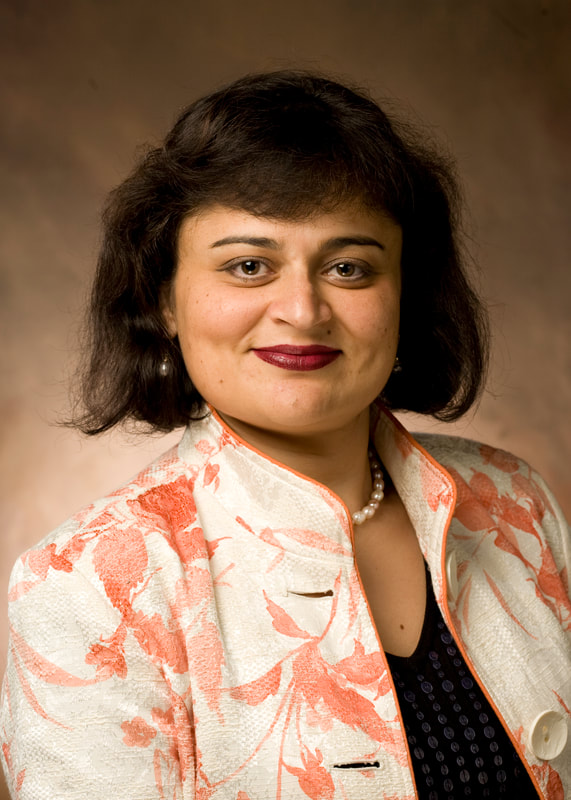
Zara Torlone. "Mock Aeneids in Russian and Ukrainian and their Discontents." March 20, Monday, 6 pm. Hunter College, Elizabeth Hemmerdinger Center, Room 706, Hunter East Bldg. In-person, with proof of vaccination. RSVP required. 

This talk will introduce the audience to two mock versions of Vergil’s Roman national epic The Aeneid. One was written in Russian by Nikolai Osipov and another by a Ukrainian author Ivan Kotliarevsky. Both poems contributed to the shaping of their cultures’ literary canons and identities. But while Osipov’s poem sunk into oblivion, Kotliarevsky’s oeuvre became the cornerstone of Ukrainian literary vernacular. The talk will offer some insights as to why these poems had such different receptions in posterity.

Zara Martirosova Torlone is a Professor in the Department of French, Italian, and Classical Studies and a member of the Core Faculty at the Havighurst Center for Russian in Post-Soviet Studies. She is the author of Russia and the Classics: Poetry’s Foreign Muse (2009), Latin Love Poetry (co-authored, 2014), and Vergil in Russia: National Identity and Classical Reception (2015). She has also authored articles on Roman poetry and novel, Russian reception of antiquity, Roman games, and textual criticism. Her most recent publications are a co-edited volume on Classical Reception in Eastern and Central Europe, to which she also contributed (2017), and a co-edited volume Virgil’s Translators, also with her own contribution (2018). She is currently working on a monograph Shapes of Exile: Ovid in Russia, which will be published by Oxford University Press. Her article on mock Aeneids in Russia and Ukraine will be coming out in 2023 in Modern Language journal.

Directions (for non-Hunter students or employees): At the reception desk of the Hunter West Building, please present your ID and proof of vaccination to get a pass. From there, take the escalator to the 3rd floor, turn right and walk across the sky bridge to the Hunter East Building, then take the elevator to the 7th floor. Hemmerdinger Center is at the end of the hallway past the turnstiles. 
Picture

RSVP
​Back to Top
 
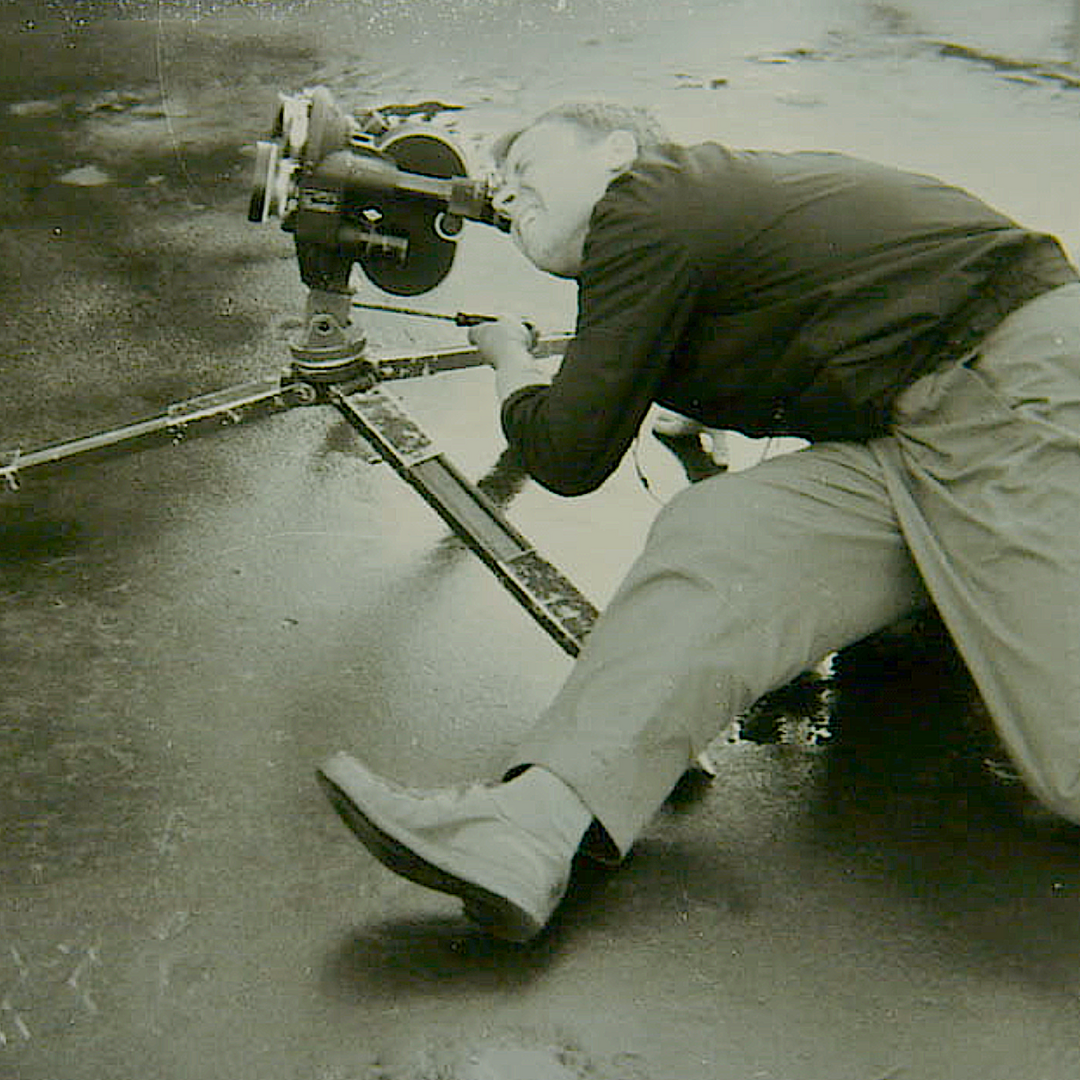
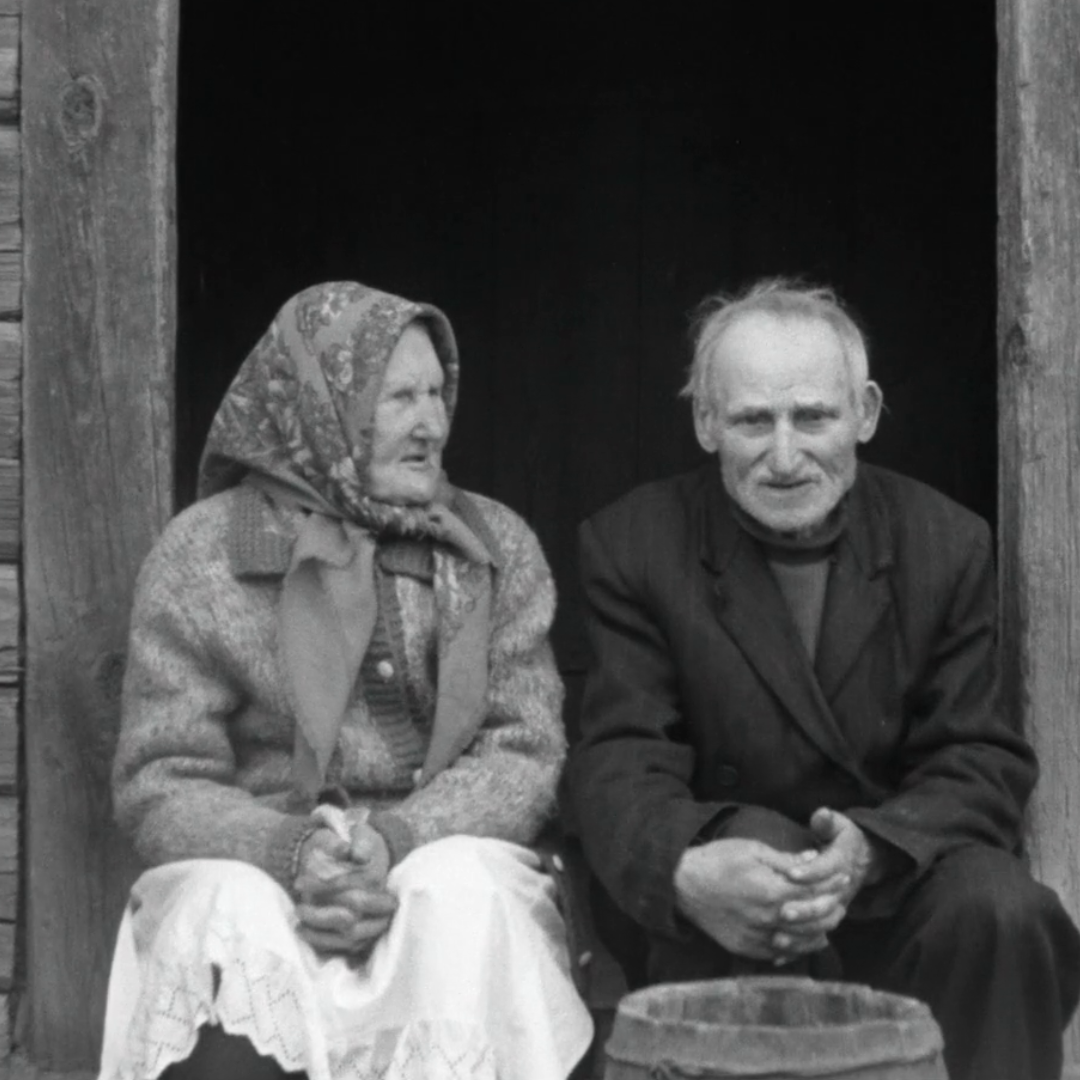
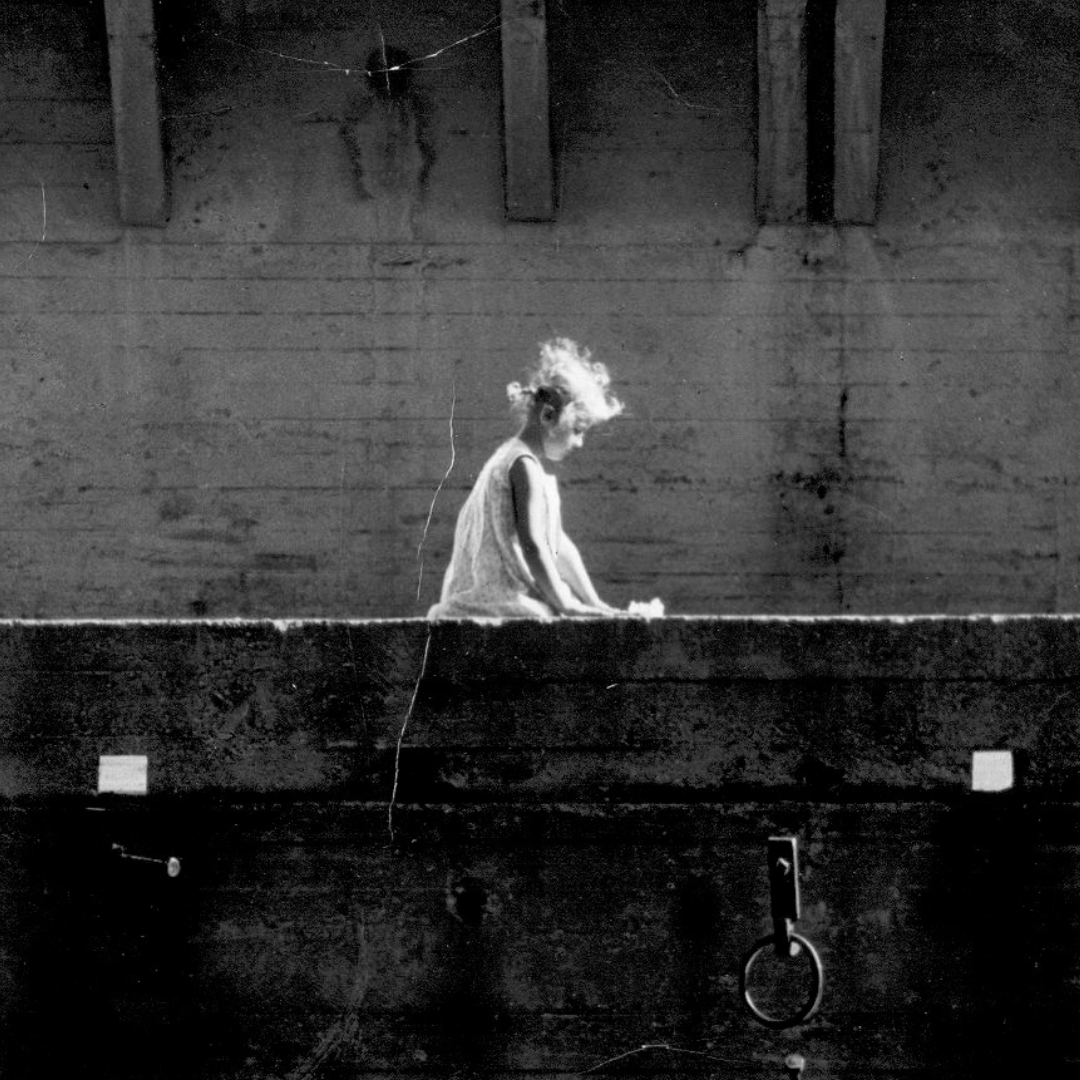
(Non)conformist Baltic Poetic Documentary of the 1960s. Film Screenings and Discussion. Wednesday, April 19, 6 pm. Hunter College, Elizabeth Hemmerdinger Center, Room 706, Hunter East Bldg. Co-hosted by the Mellon Humanities Public Scholars Program at Hunter. RSVP required. 

BRIDGES OF TIME is a meditative filmic essay in the tradition of Baltic poetic documentary that emerged in the 1960s. Paired with three short films, this series reflects on the poetic non-fiction filmmaking in Estonia, Latvia, and Lithuania as a form of resistance to the material realities of political oppression under the Soviet Union. 

Series programmed by Samantha Bodamer (Cinema Studies, Russian & Slavic Studies) as part of the Mellon Public Humanities Scholars Program at Hunter College. Presented in partnership with the Estonian Film Institute, National Film Centre of Latvia, Lithuanian Film Centre, and Meno Avilys. Special thanks to the State Culture Capital Foundation in Latvia.

Special guest, Zane Balčus, is a film scholar, curator, critic, and co-author of several books on Latvian cinema. She is currently the Project Manager of Baltic Sea Forum for Documentaries based in Riga, Latvia.  

Samantha Bodamer is a student at Hunter in the CUNY BA Program, majoring in Russian & Slavic Studies and Cinema Studies. As a Mellon Public Humanities Scholar, she conducted archival film research in Latvia. In Fall 2023, she will continue her work as a Ph.D. student at the University of Pittsburgh (Film Studies, with a concentration in Slavic).  

Documentary Feature

Bridges of Time (2018) | Dir. Kristīne Briede and Audrius Stonys | 80 min.

Short Films

Estonia | 511 Best Photographs of Mars (1968) | Dir. Andres Sööt | 15 min.

Latvia | White Bells (1961) | Dir. Ivars Kraulītis | 24 min.

​Lithuania | The Dreams of the Centenarians (1969) | Dir. Robertas Verba | 17 min.

Directions (for non-Hunter students or employees): At the reception desk of the Hunter West Building, please present your ID and proof of vaccination to get a pass. From there, take the escalator to the 3rd floor, turn right and walk across the sky bridge to the Hunter East Building, then take the elevator to the 7th floor. Hemmerdinger Center is at the end of the hallway past the turnstiles. 
Picture

RSVP
​Back to Top
 
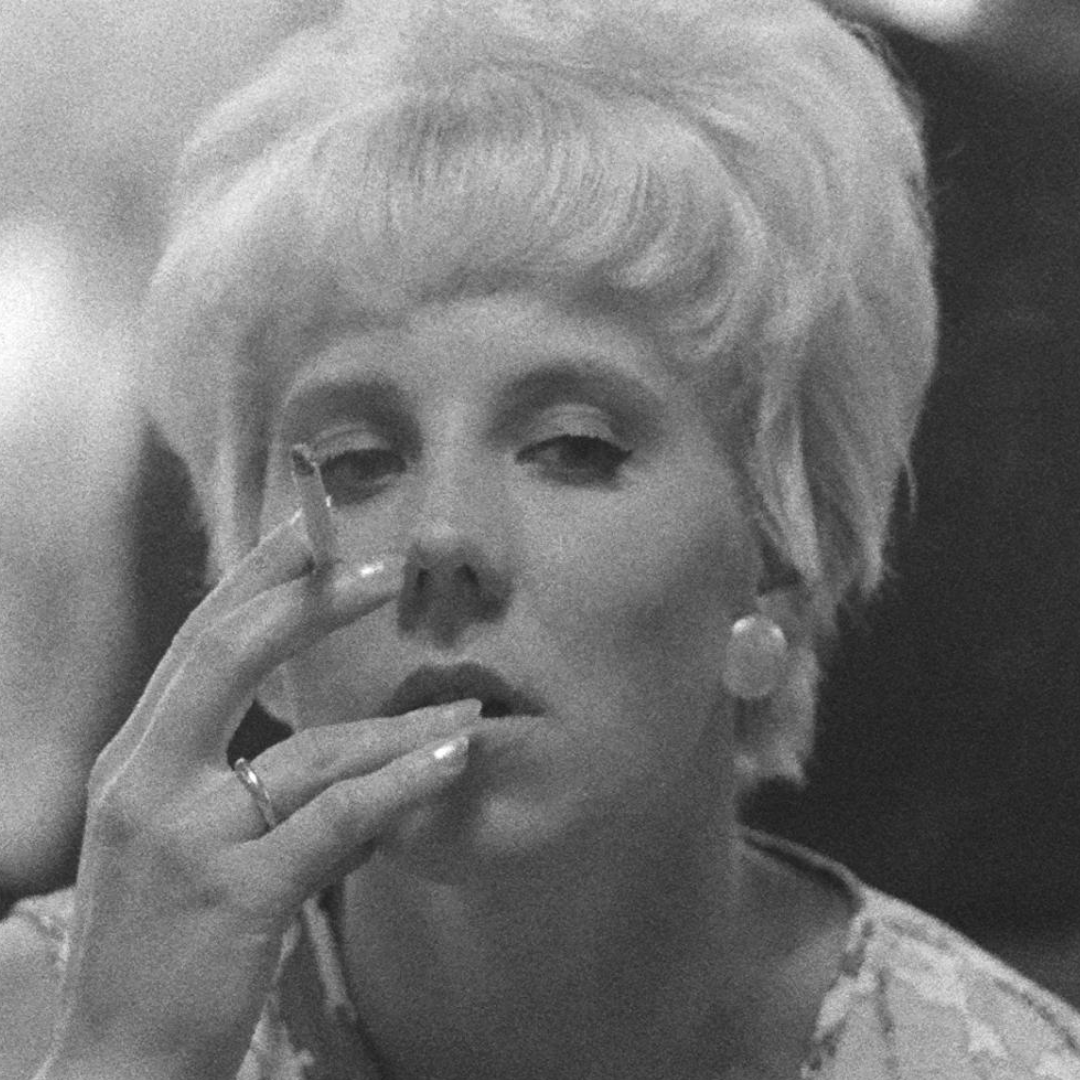
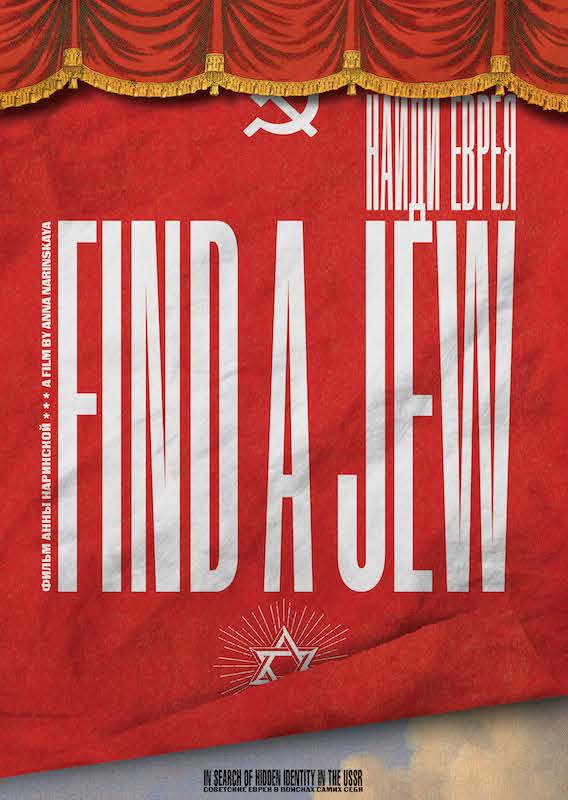
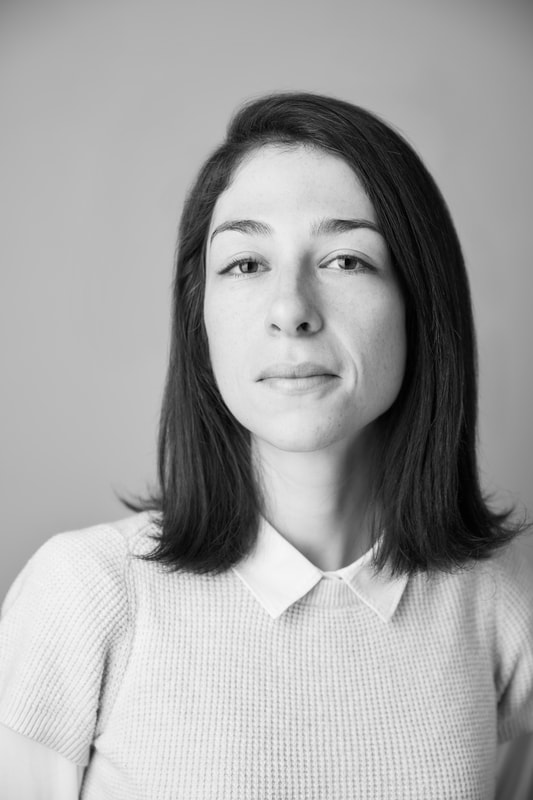
Find a Jew. Film Screenings and Discussion with Anna Narinskaya. Thursday, April 20, 6 pm. Hunter College, Elizabeth Hemmerdinger Center, Room 706, Hunter East Bldg. RSVP required. The screening of this film is courtesy of the Harriman Institute at Columbia. 

The phenomenon of the Soviet Jew is not quite perceptible. Jews were called “the main mystery of the USSR”. How could they remain Jews without generally keeping to their religion, language, and traditions, and often willing to adopt new traditions? Anna Narinskaya, a prominent culture expert and journalist, who grew up in a “non-Jewish Jewish family”, talks to the witnesses of the epoch, her friends and relatives, anthropologists and researchers of popular culture. And as a result of her search she finds herself in a very, very strange place. -- The Harriman Institute at Columbia University. 

Anna Narinskaya is a journalist, curator, documentary filmmaker and playwright. She has contributed to Russia’s most influential media since the late nineties, notably as a special correspondent for Kommersant, covering cultural and social issues, and as a literary editor. After Russia annexed Crimea and state censorship intensified, Narinskaya moved to fully independent media, such as Novaya Gazeta and TV Rain, and began curating exhibitions. Her best known projects include 200 Hits a Minute. Typewriter and Consciousness of the 20th Century (Moscow, 2015), Last address. Commemorating Repressions in Today’s Russia (Moscow 2018, Berlin 2019). Find a Jew. Soviet Jews as a Social and Cultural Phenomenon (Moscow, 2020), and Museum of Joseph Brodsky (St Petersburg, 2020). Anna Narinskaya is the author of another documentary, Find a Jew. In Search of Hidden Identity in the USSR (2022). In the summer of 2022, after Russia’s full-scale invasion of Ukraine, Narinskaya left the country and has been living in Berlin. In December 2022, her play The Last Word about women political prisoners in today’s Russia premiered on the stage of the Gorki Theatre in Berlin.

Directions (for non-Hunter students or employees): At the reception desk of the Hunter West Building, please present your ID and proof of vaccination to get a pass. From there, take the escalator to the 3rd floor, turn right and walk across the sky bridge to the Hunter East Building, then take the elevator to the 7th floor. Hemmerdinger Center is at the end of the hallway past the turnstiles. 
Picture

RSVP
​Back to Top
 
A Poetry and Translation Reading with Eugene Ostashevsky, Timmy Straw, Venya Gushchin, and Elina Alter. Tuesday, May 9, 6 pm. Hunter College, Chanin Language Center, Room B126 Hunter West. RSVP required. 

Four poets, writers, and translators read a combination of translated and original work, including Eugene Ostashevsky’s translations of Marianna Kiyanovsky, Timmy Straw’s translations of Grigori Dashevsky, Venya Gushchin’s translation of Yevsey Tseytlin’s Rereading Silence, and Elina Alter’s translation of Alla Gorbunova’s It’s the End of the World, My Love.

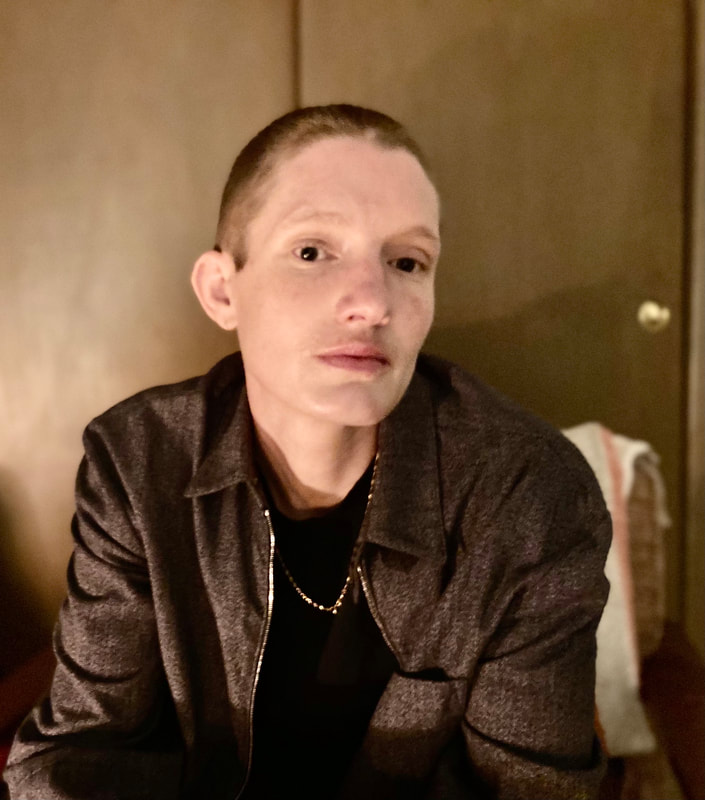
Timmy Straw is a poet, musician, and translator from Oregon. Their poems and translations appear in Annulet, Yale Review, Jacket2, the Paris Review and elsewhere, and their first book of poems is forthcoming on Fonograf Editions. 

Elina Alter is a writer and translator in New York. Her translations of Alla Gorbunova's It's the End of the World, My Love (Deep Vellum) was published in February 2023, and another collection is forthcoming. Her translation of Oksana Vasyakina's Wound (Catapult US, MacLehose UK) will be published in September. She is an Oral History Fellow at the Yiddish Book Center and the editor of Circumference, a magazine of translation and international culture. 

Venya Gushchin is a PhD Candidate at Columbia University, writing a dissertation on the late styles of Russian Modernist poets. He is also a translator, who has worked primarily on Silver Age poetry (Anna Akhmatova, Vladimir Mayakovsky, Aleksandr Blok among others). His translations of Vladimir Mayakovsky have received the Columbia University Slavic Department Pushkin Prize. Blockade Swallow, selected poems by Olga Berggolts translated by Gushchin, appeared from Smokestack Books in 2022. His writing has appeared in Cardinal Points, The Birch, and elsewhere.

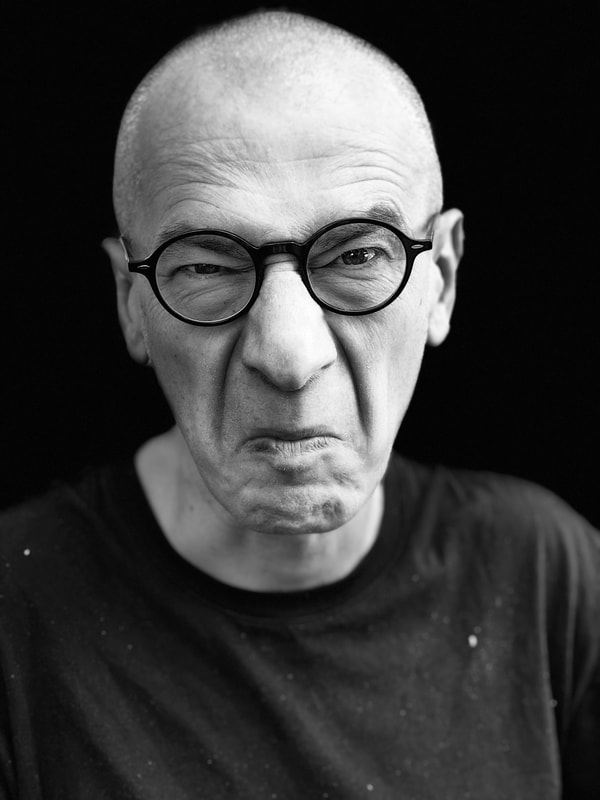
Eugene Ostashevsky is a poet and translator. His Feeling Sonnets, published in 2022 by Carcanet in the UK and NYRB Poets in the US, examine the effects of speaking a non-native language on emotions, parenting, and identity. As translator of Russian avantgarde literature, Ostashevsky is best known for his OBERIU: An Anthology of Russian Absurdism (Northwestern UP, 2006) and Alexander Vvedensky’s An Invitation for Me to Think (with Matvei Yankelevich; NYRB Poets, 2013), which won the National Translation Award. His translations of contemporary Russophone writing include F Letter: New Russian Feminist Poetry (co-edited with Ainsley Morse and Galina Rymbu; isolarii, 2020) and Lucky Breaks by Yevgenia Belorusets (New Directions, 2022).

Directions (for non-Hunter students or employees): At the reception desk of the Hunter West Building, please present your ID and get a pass. From there, take the escalator one floor down, turn around, and look for Chanin Language Center. Room B126 is on the right, up the small stairs. 

RSVP
​Back to Top
 
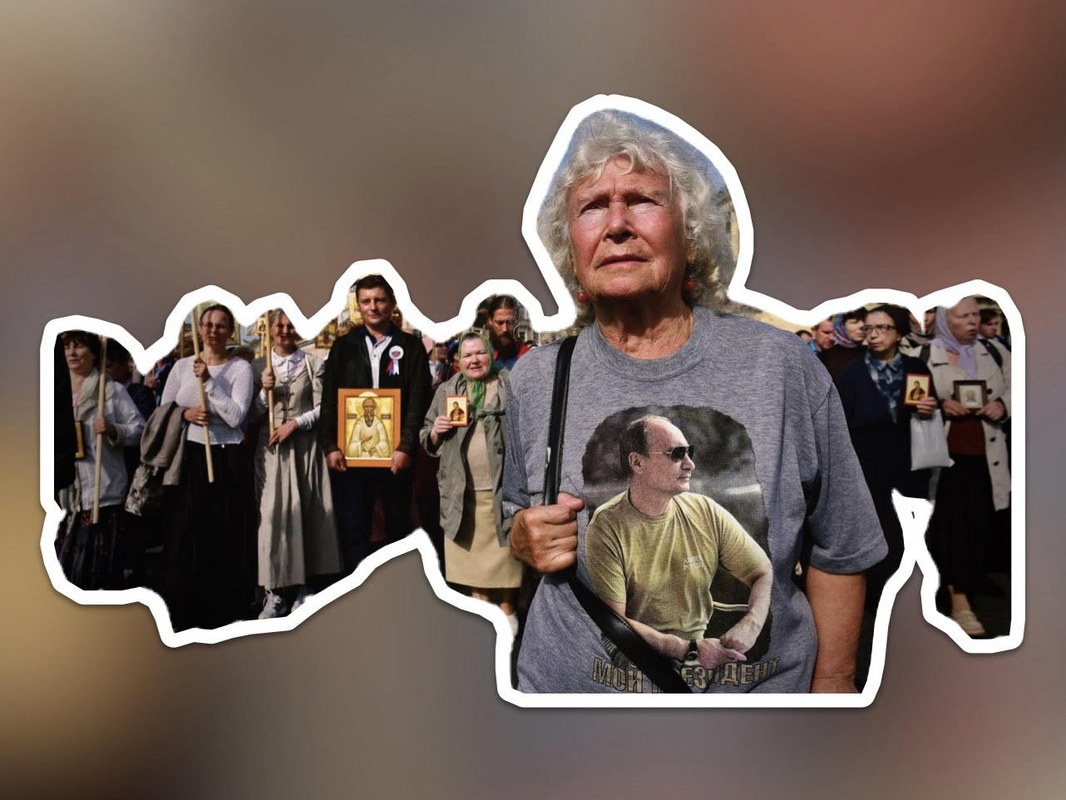
Ilya Venyavkin. "Alexander Dugin: The Man Who Wages an 'Apocalyptic War' against Ukraine." Wednesday, May 10, 6 pm. Hunter College, Chanin Language Center, Room B126 Hunter West. RSVP required. 

Russia’s full-scale invasion of Ukraine, begun on February 24, 2022, stunned many observers as meaningless and unforeseen. That reaction came from an oversight. As this lecture will show, there have been groups of Russian ideologues rationalizing the Russian attack on Ukraine and even proclaiming it inevitable for years. Alexandr Dugin is the most prolific and influential of them. He has been reconfiguring and amplifying various conservative and anti-liberal theories for decades to convince his audiences that Russia is destined to engage in an apocalyptic battle with the West. While never directly connected to Russia’s current president, Vladimir Putin, Dugin has been successful in spreading his ideas among the military ranks, media influencers and orthodox clergy. Tracing Dugin’s transformation from an anti-Soviet dissident to a conspiracy theorist, geopolitician, national-bolshevik, and eurasianist, Ilya Venyavkin aims to reveal the deeper roots of the ongoing war and give some insights into its future.
​
Ilia Venyavkin is a historian of Soviet culture and a journalist. For 15 years he has been studying Stalinist culture and subjectivity. He wrote an ebook Master’s Inkwell. A Soviet writer inside the Great Purge and co-founded Prozhito.org, a collaborative online archive and a research center of Soviet diaries and ego-documents. He has taught Soviet culture at the Higher School of Economics (Moscow) and Moscow School of Social and Economic Sciences. Since the beginning of the Russian invasion of Ukraine, he has written features on people and ideas that made this war possible. For his piece on Russian political technologist Timofey Sergeitsev, Venyavkin received an independent journalist prize Regkollegia. Currently, Venyavkin is holding a research position at the Russian Independent Media Archive (a joint initiative of Bard College and PEN America). He is writing a book on the ideology of Putinism.

Directions (for non-Hunter students or employees): At the reception desk of the Hunter West Building, please present your ID and get a pass. From there, take the escalator one floor down, turn around, and look for Chanin Language Center. Room B126 is on the right, up the small stairs. 
Picture

RSVP
​Back to Top
Hunter College, CUNY
Russian and Slavic Studies Program
695 Park Avenue, Suite 1425 HW
New York, NY 10065
Email: [email protected]
Picture
Copyright © 2017-2023
Russian and East European Cultures at Hunter
Russian and Slavic Studies Program

  • Home
  • CURRENT EVENTS
  • PAST EVENTS
    • SPRING 2025
    • FALL 2024
    • SPRING 2024
    • FALL 2023
    • SPRING 2023
    • FALL 2022
    • SPRING 2022
    • SPRING 2021
    • FALL 2020
    • SPRING 2020
    • FALL 2019
    • SPRING 2019 >
      • Translation Conference
    • FALL 2018 >
      • Tamizdat Conference
    • SPRING 2018
    • FALL 2017
    • SPRING 2017
    • FALL 2016
    • PRIOR EVENTS
  • RSVP
  • STUDENT PROJECTS
    • Sasha White
    • Daniela Drakhler
    • Mecaria Baker
    • Nicole Gonik
    • Nissan Mushiev
  • MAKE A GIFT